




$179.00
This course introduces an evidence-based Functional Performance Testing Algorithm (FPTA) specifically designed for the foot and ankle complex. The FPTA incorporates foundational lower leg competencies and capacities essential for daily living, recreation, and athletic activities.
Description
Stop the Guessing Game: Implementing a Criterion and Evidence-Based Functional Performance Testing Algorithm Function in Foot and Ankle Injuries
This course introduces an evidence-based Functional Performance Testing Algorithm (FPTA) specifically designed for the foot and ankle complex. The FPTA incorporates foundational lower leg competencies and capacities essential for daily living, recreation, and athletic activities.
There is extensive literature on Physical Performance Tests (PPTs) for assessing readiness to return to activity after knee, hip, and shoulder injuries. However, there is currently no consensus or standardized PPTs for evaluating functional readiness following foot and ankle musculoskeletal injuries. This course introduces an evidence-based Functional Performance Testing Algorithm (FPTA) specifically designed for the foot and ankle complex. The FPTA incorporates foundational lower leg competencies and capacities essential for daily living, recreation, and athletic activities.
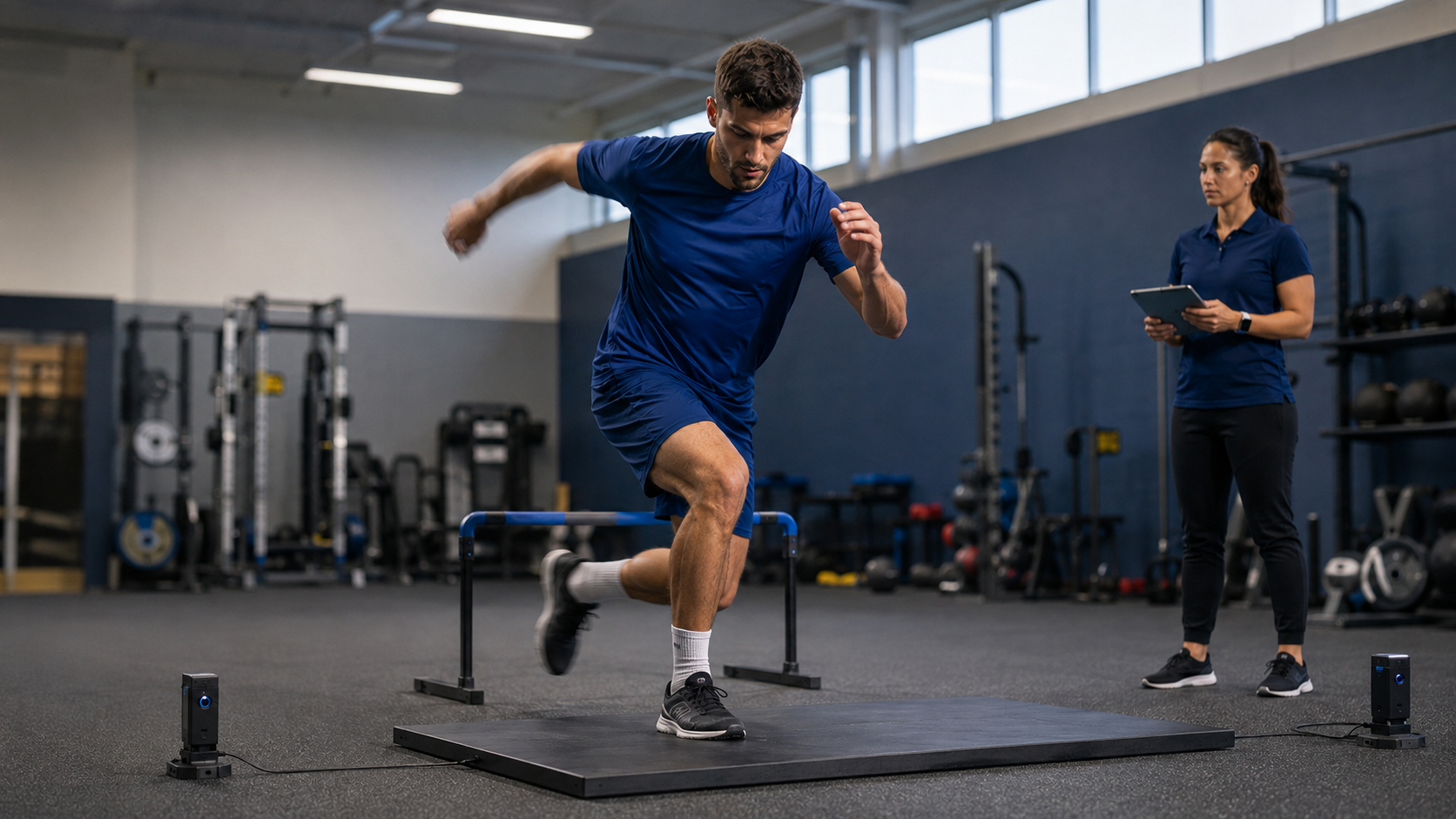
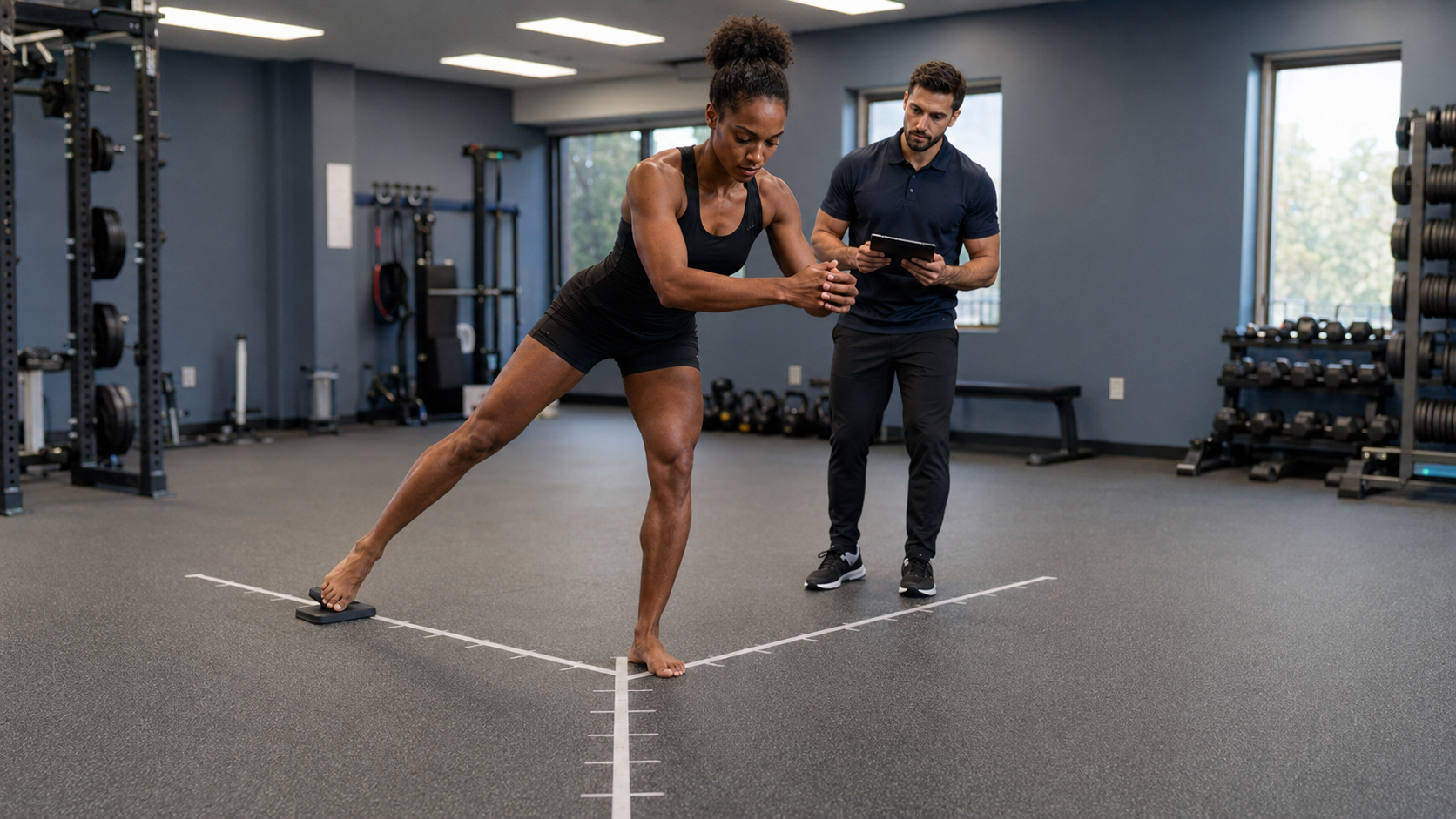
Participants will review current evidence and guidelines for PPTs, focusing on their validity and reliability in assessing recovery from foot and ankle injuries. This course will present a systematic approach to evaluating patient readiness, including patient-reported functional and psychological outcomes, multi-planar and reactive hop tests, and clustered test batteries. Clinical case examples will be provided to facilitate knowledge translation and real-world application.
At the conclusion of the course, participants will gain a practical framework for implementing best practices and recommendations across diverse clinical settings and patient populations.
Instructors:
Michael Jeanfavre, PT, DPT, FAAOMPT, SCS, OCS, CSCS
Taylor Douthit, PT, DPT, SCS, OCS, CSCS
Matthew Klein, PhD, PT, DPT, FAAOMPT
Course Outline:
- Introduction and Objectives
-
- Overview of common foot and ankle injuries and their impact on return to function
- Describing the current landscape and factors of return to function decision making
- Providing rationale and evidence for a criterion, algorithmic and multi-disciplinary approach
- Foot and Ankle Related Injuries
- Epidemiology and associated disability
- Most common orthopedic foot and ankle injuries
- Current standards of determining clinical and functional milestones
- Tissue Healing Times
- Explanation of tissue healing times and how they impact return to sport/activities
- Projected timelines of specific tissue types and specific injuries around the foot & ankle complex
- Joint Pain and Inflammation
-
- Nociceptive pain and inflammation and how they affect return to function
- Patient-Reported Functional Outcome Measures
-
- Explanation of current recommended patient-reported outcome measures (PROMs) for foot and ankle injuries
- How they can be used to assess and correlate with physical function
- Recommended PROMs with strengths and limitations
- Explanation of current recommended patient-reported outcome measures (PROMs) for foot and ankle injuries
-
- Psychological Readiness PROS and how they can influence the return to function decision making
- Range of Motion
-
- Taking the guess work out of the range of motion assessment for the foot and ankle complex
- Range of motion measurement cluster
- Static Postural Control
-
- Overview of static postural control and the important role in the foot and ankle complex
- Moving beyond single leg balance
- Proposed static postural control and criteria
- Dynamic Postural Control
-
- Feedforward vs feedback dynamic postural control assessments
- Movement quantity and quality measurements for postural control tests
- Muscle Performance Strength
-
- Understanding muscle performance constructs: differentiating muscle endurance, strength, and power tests for the foot and ankle
- Recommended physical performance tests and criteria
- Muscle endurance
- Muscle strength
- Muscle power
- Single Limb Physical Performance Tests and Kinetic Chain Re-integration
- Vertical Jump and Hop Tests
- Explanation of sagittal plane hop tests
- Proposed non-linear and change of direction hop tests
- Reactive hop testing: the new kid on the block
- Functional Testing Batteries
-
- Rationale for functional test batteries
- Proposed batteries, application, and criteria
- Explanation of full lower extremity functional tests and how they can be used to assess return to function
- Proposed Criteria for Clinical Milestones and Return to Activity Decision Making
- When can I jog? Return to running criteria for the foot and ankle
- Strength is good, but power is better
- Stratifying and classifying plyometric exercises
- Criteria to initiate lower and higher level plyometrics
- Return to activity/sport criteria and decision making
- Summary and Conclusion
- Putting it all together: Review of key takeaways
- Practice Based Evidence: Implementation strategies and best practices
- Question and Answer Session
Key Learning Objectives:
- Analyze the importance of functional testing algorithms for determining return to function readiness in patients with foot and ankle musculoskeletal injuries.
- Evaluate the evidence on the appropriate use of physical performance tests (PPTs) to determine readiness for return to function post foot and ankle musculoskeletal injury.
- Develop a criterion, algorithmic, and evidence based approach of determining patient readiness and clearance for return to jogging, plyometrics, and higher-level activities.
- Synthesize practical recommendations for implementing the Return to Function Physical Performance Testing Algorithm for the Foot and Ankle Complex in clinical practice, taking into account the patient’s demographic, functional capacity, and specific pathology.
Course Details
| Course Length | |
|---|---|
| Platform | |
| Instructor(s) | Dr. Matthew Klein PT, DPT, PhD, FAAOMPT, SCS, OCS, GCS, Dr. Michael Jeanfavre PT, DPT, FAAOMPT, SCS, OCS, CSCS, Dr. Taylor Douthit PT, DPT, SCS, OCS, CSCS |
Certifications
Course Approvals/Certifications: New York State Education board approved for PTs and PTAs and that covers the following states; AL, AR, CT, DE, HI, ID, IN, IA, KS, KY, ME, MA, MI, MT, NE, NH, (NY-exp 4/2027), NC, ND, OR, SC, SD, UT, VT, WA, WI, WY